

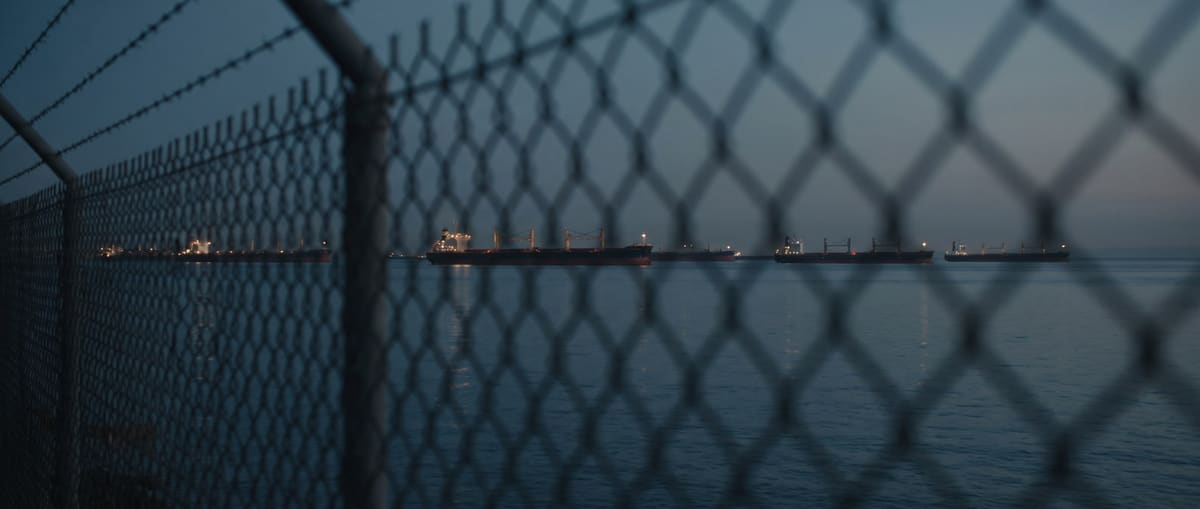
Illustrative scenario · October 2026
The Monday the fuel stops
At 5 am, a mid-sized business learns its fuel deliveries are cut by a third for at least three weeks. What happens hour by hour, what follows from it, and the questions a board should ask before it happens.
The scenario
What happens
At 5 am on Monday, the main fuel supplier emails every commercial customer. Deliveries move to allocation at 65 per cent of last month's volume, for at least three weeks, because a major supply route closed overnight.
The business. A fictional Australian business with 400 staff, three regional sites, a truck fleet and diesel generators. It buys almost all its fuel from one supplier and holds about five days of storage. It could be a mining services firm, a freight operator or a regional airline.
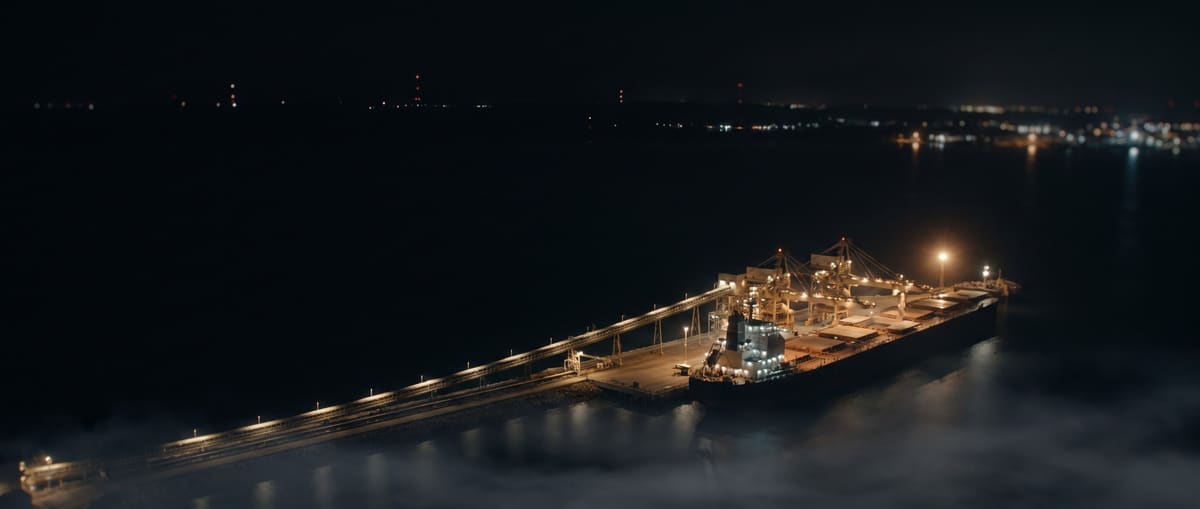
Hour by hour
The week, as it unfolds.
Monday, 5 am
The supplier's email lands. Nobody reads it until 6.40.
7 am
The first delivery to the northern site arrives a third short. The site manager rings operations: which jobs run today?
9 am
The executive team meets. Nobody owns fuel allocation. Finance wants the cost; operations wants to know who gets fuel first. The answer depends on contracts nobody has brought to the room.
11 am
The two biggest customers call. One asks whether its work is protected. The other asks whether you plan to claim force majeure, because its lawyers are already reading the contract.
1 pm
The spot price for diesel has jumped. A second supplier can offer some volume, at a price, if an account is open by Wednesday. Opening one needs two signatures and a credit check.
3 pm
Someone asks about the backup generators at the main site. They run on the same diesel. If the grid fails this week, they last about 36 hours.
5 pm
The chair calls the chief executive: what is our position, and what do I tell the board?
Tuesday
Freight rates rise. Two inbound shipments of parts move to later sailings. Staff start asking whether their shifts will run.
Wednesday
Government guidance names priority users for fuel. Two of your customers are on the list. You are not.
Friday
The business is still running, at a cost. It paid for premium fuel, deferred two contracts and lost a week of decisions to argument. Most of what went wrong was decided before Monday.
Six considerations
What follows for you.
- Fuel
- How many days your storage really covers at today's use, and who decides which work stops first. Five days on paper can be three in practice.
- Shipping and ports
- Parts, consumables and outbound freight slow down at the same time as fuel. Know which shipments you cannot do without, and what it costs to move them.
- Your buyers and the rules
- Contracts decide who carries the cost. Check your supply and force majeure clauses with your advisers before your customers' lawyers do.
- Power, telecoms and cyber
- Backup power runs on the same fuel. The systems you rely on to schedule, pay and communicate may be under strain in the same week.
- Partners and governments
- Government priority lists, industry bodies and your supplier's own allocation rules decide who gets supply. Know where you sit before the list is published.
- Warning signs
- Supply notices, falling stock levels, shipping advisories and a widening gap between spot and contract prices usually show days or weeks ahead. Someone needs to watch them, and to know what happens when one trips.
Two companies, the same Monday
Most of what goes wrong is decided before Monday.
Company A
No plan
- Learns at 6.40 am, from the supplier's email.
- Spends the morning working out who decides.
- Reads its contracts on Monday afternoon.
- Pays the spot price from Wednesday.
- Tells the board on Friday what happened.
Company B
Ran this scenario three months ago
- Saw the warning signs ten days earlier and topped up its storage.
- Has an agreed list of which sites and customers get fuel first.
- Set up a second supply agreement last quarter.
- Knows its contract positions and has messages ready for customers and staff.
- Tells the board on Monday what it is doing.
For the board
Questions to ask before it happens.
Written to be forwarded to finance, legal and the board.
-
If our fuel falls by a third tomorrow, which operations stop first, and who decides?
-
How many days does our storage cover at today's use, and when was that number last checked?
-
Could we switch on a second source of supply within 48 hours?
-
Which contracts let us, or our customers, step back from obligations in a supply shock?
-
Which warning signs would give us a week's notice, and who is watching them?
-
When did we last test this plan, and what did we change afterwards?
An illustrative scenario: a plausible bad week to plan against, not a prediction. The business is fictional, and nothing here comes from client work.

Rehearse it with your own team.
A half-day scenario workshop takes your leadership through a bad week tailored to your business.