
2 hours
Board scenario session
One scenario, worked through with the board.
- The questions the scenario raises for the board
- A two-page note afterwards
For boards and risk committees



Workshops
A scenario tailored to your organisation, built from public sources and worked through with your leadership team hour by hour. You leave with decisions made, owners named and the warning signs to watch.
Formats
2 hours
One scenario, worked through with the board.
For boards and risk committees
Half a day Usual first step
The usual place to start.
For executive teams

A full day
A full test of the plan you already have.
For organisations with a plan to test
Four half-days a year
A new scenario each quarter, with actions tracked between sessions.
For leadership teams that want to stay in practice
What you leave with
Sample agenda
Times are a guide. Before the day, a 45-minute scoping call settles the scenario and who attends.
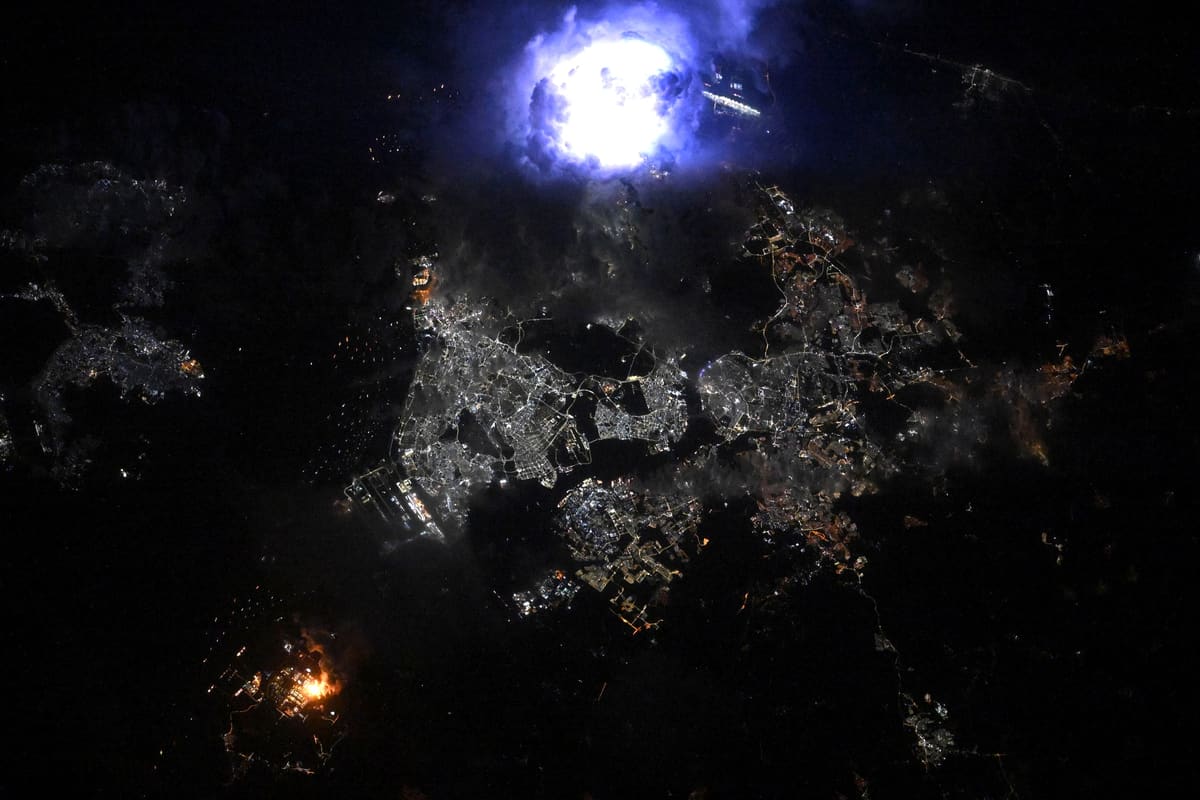
Photograph: NASA
0:00
The Monday it starts
The scenario is set out: what happened overnight and what your business knows at 6 am.
0:30
Hour by hour
The day unfolds. Your team makes the calls it would really have to make, in the order it would have to make them.
1:30
Break
1:45
The six considerations
Fuel, shipping, your buyers and the rules, power and systems, partners and governments, and the warning signs: what follows for you.
2:45
What would have warned you
The signs that came first, and who should be watching them.
3:15
Decisions and owners
What you will do now, who owns it and by when.
3:30
Close
The action report follows within five business days.
Sample action report
An extract, for a fictional regional freight company.
Example · Fictional companyAction report

Who runs it
Principal and Managing Director
Matthew Lonsdale runs every workshop.
Questions
No. We build the scenario from public sources. You can add context in the scoping call, and we agree in writing how anything you share is handled.
In the scoping call: the disruptions your leadership already worries about, or the ones it has not thought about yet. A fuel shock, a shipping route closing, a cyber attack on a key supplier, conflict overseas.
The people who would make the calls in a real disruption, usually the chief executive and the heads of operations, finance, risk and communications. For a board session, the board or its risk committee.
Either. We agree it in the scoping call.
No. A workshop can inform how you think about your obligations, for example the risk management rules under the SOCI Act, but it is not compliance or legal advice.
Next step
Tell us which format, roughly when, and who would attend. We reply within one business day.