


Scenario planning for boards and executives
We help leaders plan
for the unexpected.
We take boards and executive teams through a bad week, hour by hour, before it happens. Then we help them decide what to do about it.
- What we do
- Scenario workshops, readiness and tailored intelligence
- Method
- Sources named and dated, confidence stated
- Based
- Perth, working worldwide
- Led by
- Matthew Lonsdale
A scenario, not a forecast
The Monday the fuel stops.
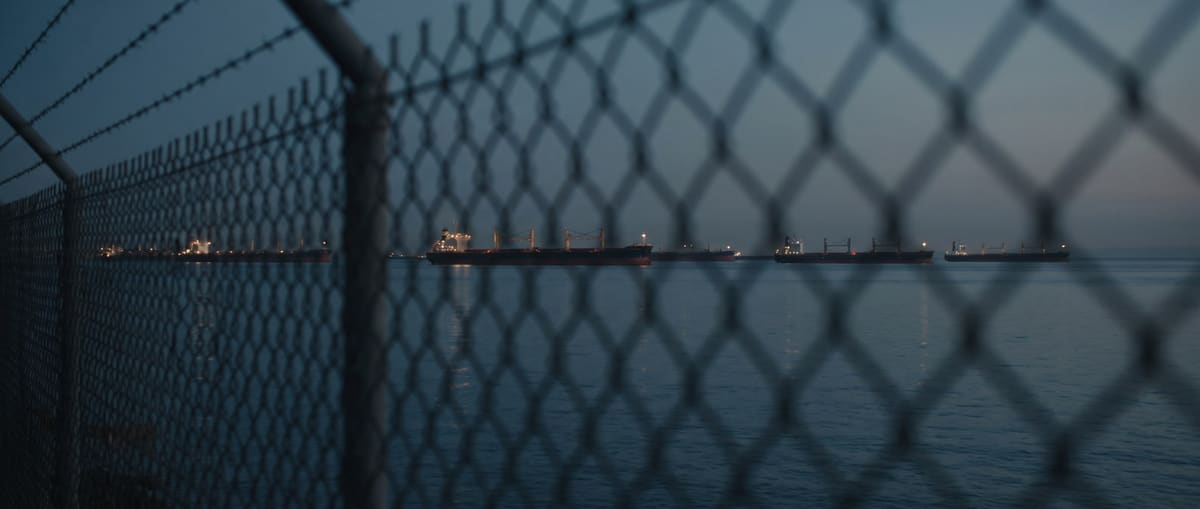
A plausible bad week to plan against, built from public sources. Here are its first hours.
What happens. At 5 am on Monday, the main fuel supplier emails every commercial customer. Deliveries move to allocation at 65 per cent of last month's volume, for at least three weeks, because a major supply route closed overnight.
Read the whole scenarioMonday, 5 am
The supplier's email lands. Nobody reads it until 6.40.
7 am
The first delivery to the northern site arrives a third short. The site manager rings operations: which jobs run today?
9 am
The executive team meets. Nobody owns fuel allocation. Finance wants the cost; operations wants to know who gets fuel first. The answer depends on contracts nobody has brought to the room.
11 am
The two biggest customers call. One asks whether its work is protected. The other asks whether you plan to claim force majeure, because its lawyers are already reading the contract.
1 pm
The spot price for diesel has jumped. A second supplier can offer some volume, at a price, if an account is open by Wednesday. Opening one needs two signatures and a credit check.
Two companies, the same Monday
Most of what goes wrong is decided before Monday.
Company A
No plan
- Learns at 6.40 am, from the supplier's email.
- Spends the morning working out who decides.
- Reads its contracts on Monday afternoon.
- Pays the spot price from Wednesday.
- Tells the board on Friday what happened.
Company B
Ran this scenario three months ago
- Saw the warning signs ten days earlier and topped up its storage.
- Has an agreed list of which sites and customers get fuel first.
- Set up a second supply agreement last quarter.
- Knows its contract positions and has messages ready for customers and staff.
- Tells the board on Monday what it is doing.
How we help
Three ways to get ready.
Every engagement starts from the decisions your leadership carries.

Ongoing readiness
Your scenarios and warning signs, kept current all year.
Twelve months, by proposal.
More
Tailored work
Retained support, bespoke assessments and platforms built for your analysts.
By proposal, limited by capacity.
More
Exposure Diagnostic
Not sure where to start?
The Exposure Diagnostic sets out, in about three weeks, what outside your organisation could hurt it, how it would reach you and what to watch.
Why boards are asking now
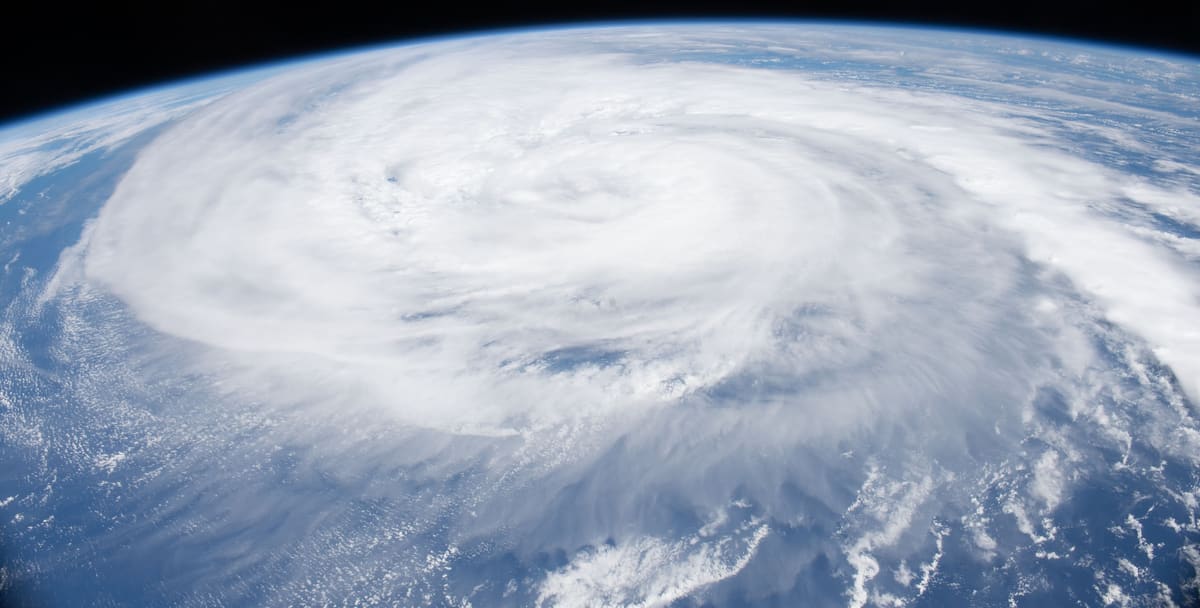
Directors are being asked whether their plans have been tested.
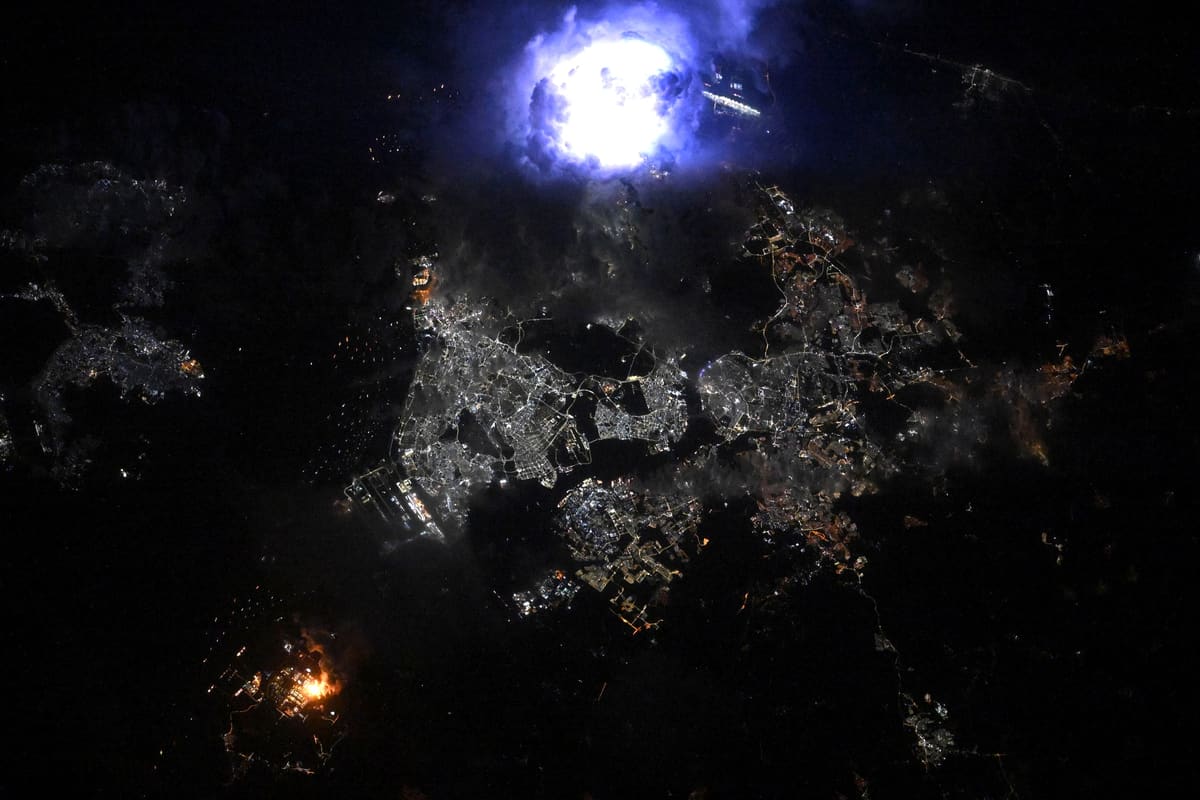
Photograph: NASA
- From awareness to assurance
Australia's directors' institute urges boards to ask whether their plans have been tested, to think in scenarios rather than single events, and to test how the business copes when critical supply is disrupted.
AICD, "How boards can build resilience amid geo-economic uncertainty", 1 June 2026
- Fuel is now a national question
The 2026-27 Budget set out a fuel resilience package after the Middle East crisis disrupted oil supply, including larger fuel stockholdings and reserves.
Australian Government, Budget 2026-27, "Fuel supply and security"
- Preparation pays
In a study that followed firms from 2008 to 2015, those judged best prepared for the future went on to 33 per cent higher profitability and 200 per cent higher growth than the average.
Rohrbeck and Kum, Technological Forecasting and Social Change, 2018
How we work
Six rules, applied to everything we release.
Matthew Lonsdale, Principal and Managing Director, is the accountable principal and leads SURGE's work.
How we work- Decision first
- We start from the decisions you need to make, not from a list of topics.
- Calibrated language
- Every judgement states how confident we are and why. Forecasts are labelled as forecasts, with the signals that would change them.
- Lawful and proportionate
- Public sources, and in client work what you choose to share. Personal information only when it is relevant, and kept to a minimum.
- Evidence before judgement
- Every material claim is sourced and dated, and names its original publisher.
- Honest gaps
- If we do not know, we say so. Each gap is recorded as a known unknown, and we direct collection at the gaps that matter most. The platform keeps evolving with global conditions, because intelligence is dynamic, never a static product.
- Human judgement
- AI tools help us collect, sort, translate and draft. A person checks every judgement against its full evidence before it is released, and is accountable for it.

Who you work with
Matthew Lonsdale
Principal and Managing Director
Matthew founded SURGE Intelligence to bring disciplined intelligence practice to commercial decisions. He leads every workshop and is accountable for every judgement SURGE releases.
Talk to Matthew.
A 30-minute call with Matthew Lonsdale, an Australian Defence Force veteran and intelligence professional, about the decisions your team carries and whether a workshop, the Diagnostic or ongoing work would help. No obligation.
Photograph: NASA